The Future of Immersive Platforms
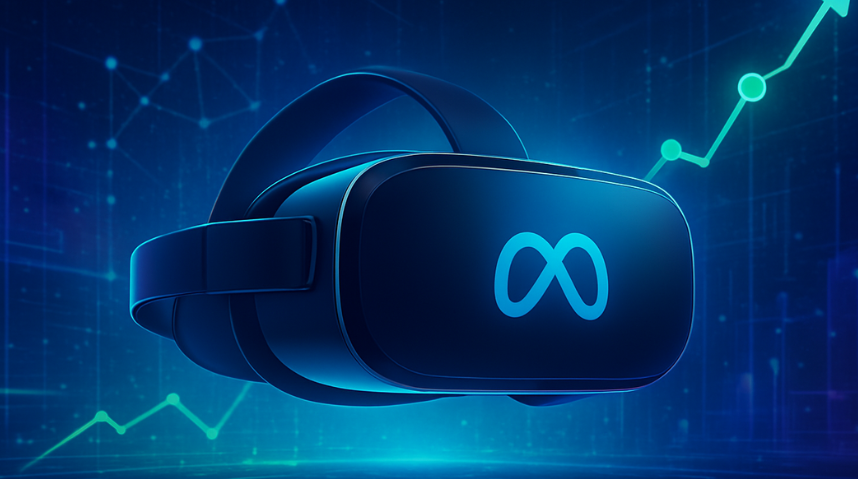
The future of immersive platforms stands at a pivotal juncture. As virtual and augmented reality technologies advance, their implications for various sectors become increasingly significant. Enhanced remote collaboration, personalized marketing, and engaging consumer experiences are on the horizon. However, the journey is not without obstacles. Understanding these dynamics will be crucial for navigating the evolving landscape of immersive technologies and their potential impact on society. What remains to be seen is how these challenges will be addressed.
Why Virtual and Augmented Reality Matter Today
Why do virtual and augmented reality hold such significance in contemporary society?
These technologies revolutionize social interaction and foster creative expression, allowing individuals to connect across vast distances while engaging in immersive experiences.
Transforming Education With Immersive Technologies
Immersive technologies, particularly virtual and augmented reality, are increasingly finding their place in educational settings, reshaping how knowledge is imparted and experienced.
These innovations facilitate virtual classrooms that promote experiential learning, enabling students to engage with content dynamically.
How Immersive Technologies Enhance Customer Engagement in Retail
As retailers increasingly seek innovative ways to capture consumer attention, immersive technologies have emerged as a powerful tool for enhancing customer engagement.
Virtual try-ons allow customers to visualize products seamlessly, while interactive displays create dynamic shopping experiences.
These advancements empower consumers to explore and personalize their choices, fostering a deeper connection with brands and ultimately driving sales in an evolving retail landscape.
Addressing Challenges in Adopting Immersive Technologies
The adoption of immersive technologies in various sectors, including retail, presents a myriad of challenges that organizations must navigate to harness their full potential.
Cost barriers often deter investment, while ensuring a seamless user experience remains paramount. Companies must balance innovation with practicality, overcoming financial constraints to create engaging environments that resonate with consumers, ultimately driving the successful integration of immersive solutions.
Conclusion
As immersive platforms continue to evolve, their impact on various sectors becomes increasingly profound. Notably, a recent study found that 71% of consumers believe virtual reality can enhance their shopping experience, highlighting its potential to reshape retail dynamics. By addressing challenges in adoption and harnessing the capabilities of virtual and augmented reality, businesses and educators alike can unlock unprecedented engagement and collaboration opportunities. The future promises a more connected, interactive world enriched by these transformative technologies.