How Digital Payments Are Changing Everyday Shopping
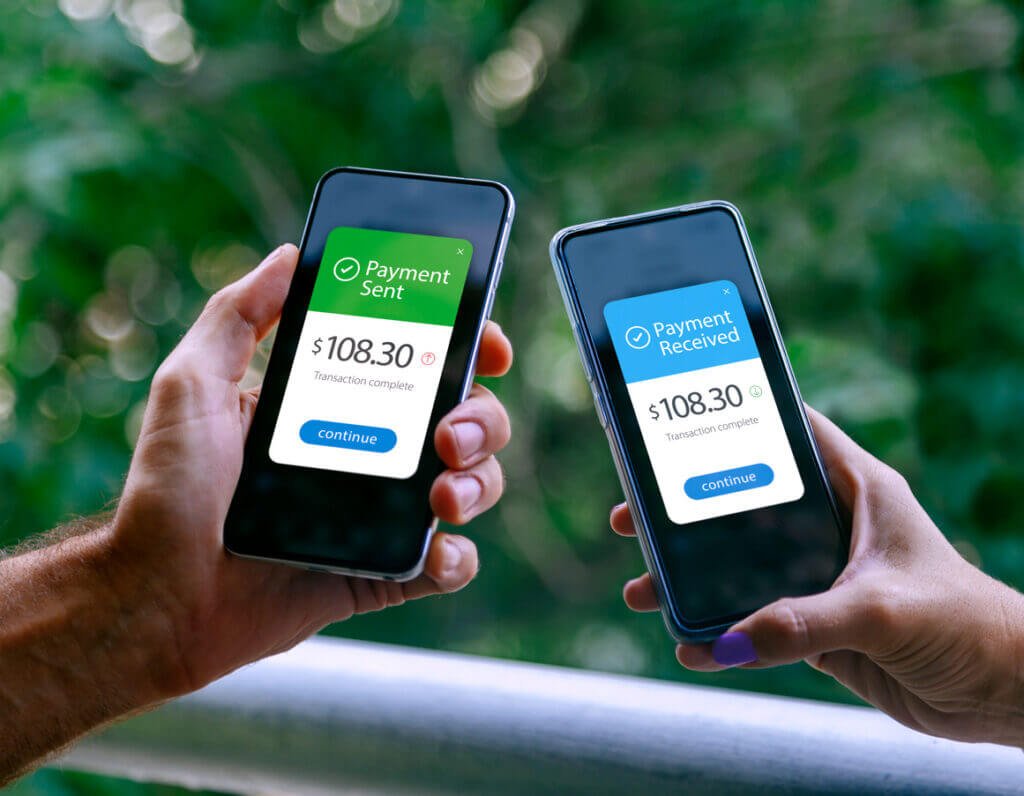
Digital payments have become a regular part of modern shopping. Consumers increasingly use smartphones and online services to pay for groceries, meals, transport and other everyday purchases. These methods can make transactions more convenient, but choosing a payment service still requires attention to security, fees and merchant acceptance.
In Hong Kong, shoppers can encounter several digital payment options, including mobile wallets, QR-code payments, contactless cards and online payment services. Understanding their differences helps consumers select a method that suits their shopping habits.
Understanding Digital Wallets
A digital wallet is an electronic service that allows users to make or manage payments through a mobile application or supported device. Depending on the provider, it may connect to a bank account, payment card or stored balance.
Some wallets are designed mainly for online purchases, while others also support payments at physical shops. Additional features may include transaction records, transfers and payment notifications.
The exact functions vary between providers. A digital wallet should not automatically be treated as a bank account, because the way funds are stored and protected depends on the service.
Why Payment Convenience Matters
Convenience is one of the main reasons consumers adopt digital payments. A shopper may be able to complete a transaction by scanning a QR code or selecting a saved payment method at checkout.
This can reduce the need to handle cash or enter card details repeatedly. Digital receipts and transaction histories may also help consumers review purchases.
However, convenience should not replace careful checking. Before confirming a payment, users should verify the merchant, amount and transaction details.
Choosing a Suitable Service in Hong Kong
When comparing a digital wallet hong kong service, shoppers should consider how they intend to use it. Someone who frequently shops online may have different requirements from someone who mainly visits physical retailers.
Important comparison points include:
- The number and types of supported merchants.
- Available payment and funding methods.
- Transaction limits and possible charges.
- Refund and dispute procedures.
- Account verification requirements.
- Customer support options.
- Privacy and security features.
Reading the provider’s terms before registration can help users understand account conditions and avoid unexpected limitations.
Security Features and Responsible Use
Digital payment accounts contain financial and personal information, so account protection is essential. Users should create strong passwords and enable additional authentication features where available.
Never share passwords, one-time verification codes or account credentials with another person. Fraudsters sometimes pretend to represent a payment provider and use urgent messages to persuade people to reveal sensitive information.
Applications should be downloaded through official sources. Keep the operating system and payment application updated, and avoid completing transactions through unfamiliar links received in unsolicited messages.
Understanding Fees and Refunds
Some payment services may charge for selected transactions, transfers or currency conversions. Other activities may be free under particular conditions. The relevant fee schedule should be reviewed before using a service.
Refund arrangements can also differ. A refund may be processed through the original payment method or handled according to the merchant’s own procedure.
Keep receipts and transaction references for important purchases. If a payment appears to have failed but money has been deducted, check the transaction history before attempting the payment again.
Managing Spending With Digital Records
Digital transaction histories can make everyday spending easier to review. Consumers may use these records to identify recurring purchases, check payment dates and investigate unfamiliar activity.
Nevertheless, a convenient payment method does not remove the need for budgeting. Reviewing spending regularly and setting personal limits can help prevent small purchases from becoming difficult to manage.
Frequently Asked Questions
1. Is a digital wallet the same as a bank account?
No. A digital wallet is a payment service, while a bank account is provided by a banking institution. How money is held and what protections apply depend on the wallet provider.
2. Can every shop in Hong Kong accept the same digital wallet?
No. Merchant acceptance varies. Check whether the service is supported at the shops and websites where you expect to use it.
3. What should I do if I notice an unfamiliar payment?
Contact the provider through its official support channel promptly. Follow its instructions to secure the account and report the transaction.
Conclusion
Digital wallets can make everyday payments more convenient, but the right choice depends on individual shopping habits and the service’s terms. Merchant acceptance, fees, refunds, security and privacy should all be considered. By reviewing transactions and protecting account details, consumers can use digital payment options more confidently.